High-protein diets can actually help dieters lose weight. Many nutritionist recommend protein with every meal, even snacks.
- If having an apple mid morning, have some peanut butter on it.
- Need an afternoon pick-me-up? Have an ounce of cheese on a rice cake or an ounce of nuts.
Proteins are large biological molecules, or macromolecules, consisting of one or more long chains of amino acid residues. Proteins perform a vast array of functions within living organisms, including catalyzing metabolic reactions, replicating DNA, responding to stimuli, and transporting molecules from one location to another… and so on.To simplify: The cells in our bodies need protein to function.
Without protein, our cells and organs, muscles, connective tissue, and bones would not hold together.
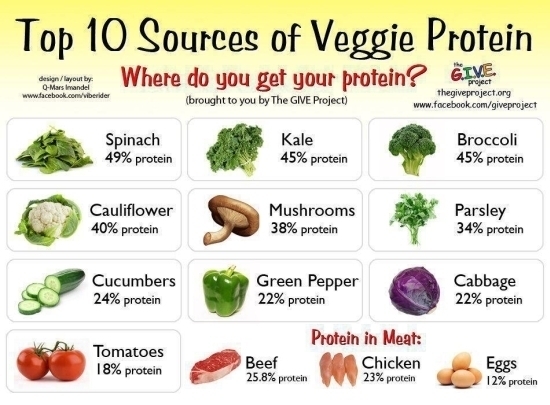
Even some vegetables have proteins.
Note: Veggies, which don’t contain all nine of the amino acids, should not totally replace the meat/dairy/nut/bean categories.
Why protein with every meal?
- High-protein foods burns calories.
- A meal with a protein makes one feel fuller for a longer period of time.
- Increase protein results in a dieter losing more fat and maintaining more muscle mass.
- The amino acids in protein build lean muscle.
How much protein?
A 140-pound person needs 110 grams of protein a day. To determine your protein need, multiply your weight by 0.36. Nutritionist recommend between 0.5 and 1.0 grams of protein per pound of your body weight. To determine your daily protein need, multiply your weight by 0.36 for the recommended daily amount. Then double that number.Note: Remember to count calories. Adding proteins to your diet is good; not adjusting for the extra calories can defeat a diet effort.
Shake it up
Tired of a broiled chicken breast every night? Your body is as well. Smart dieters mix up their protein intake – chicken one night – fish the next – and even a little beef every so often. And it wouldn’t hurt to have an omelet for dinner.

No comments:
Post a Comment